
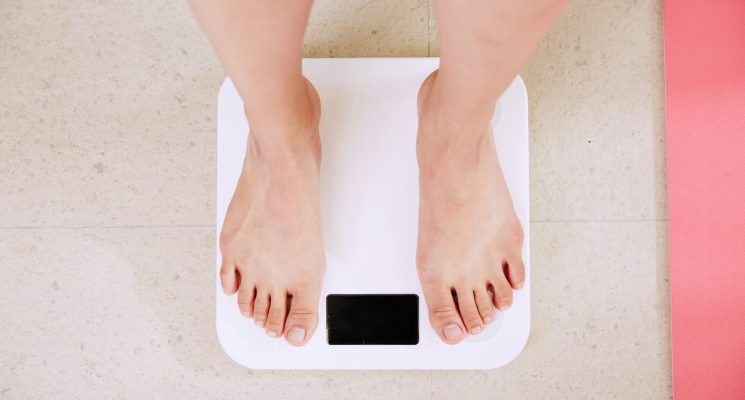
It’s That Time of Year Again: When Diet Culture Gets Loudest and Eating Disorder Thoughts Increase
Every January, diet culture gets louder.
For many women, especially those with a history of eating disorders, disordered eating, or body image struggles, this time of year can feel overwhelming. Food rules resurface. Body checking increases. Old thoughts that felt quieter suddenly feel loud again.
If that’s happening for you, it’s important to say this clearly:
This isn’t a relapse.
It isn’t a failure.
It’s a predictable response to a very loud system.
Why Diet Culture Intensifies Eating Disorder and Body Image Struggles in January
Diet culture thrives on vulnerability, and January provides the perfect conditions:
- “New year, new you” messaging
- Increased weight-loss marketing
- Moralized language around food, discipline, and control
- Social comparison after the holidays
For individuals with eating disorder histories, this messaging can re-activate neural pathways connected to restriction, control, and body surveillance — even after significant healing.
This is why eating disorder thoughts often feel louder in the new year. Not because recovery isn’t working — but because the environment has changed.
Why Women Are Especially Targeted by Diet Culture
Diet culture is deeply gendered.
Women are socialized to believe their bodies must be managed, minimized, and controlled — regardless of life stage, trauma history, or health needs. Thinness is often framed as responsibility, morality, and success.
For those with eating disorders or chronic body dissatisfaction, this messaging reinforces harmful beliefs such as:
- My worth depends on my body
- Hunger is something to override
- Rest must be earned
- Control equals safety
These beliefs don’t develop in isolation. They are taught, repeatedly.
Food and Body Noise Is a Learned Survival Response
Food and body noise often includes:
- Persistent thoughts about food or eating
- Guilt or anxiety after meals
- Monitoring weight, shape, or appearance
- Feeling “out of control” around food
- Urges to restrict, compensate, or reset
From a trauma-informed perspective, this isn’t a character flaw.
It’s a nervous system response.
Restriction and food rules signal threat to the body. In response, the brain becomes more preoccupied with food, control, and safety. The louder the restriction, the louder the thoughts.
Your body is not sabotaging you.
It’s trying to keep you alive.
Why Dieting Is Especially Harmful for Eating Disorder Recovery
Dieting and “clean eating” are often rebranded as wellness — but for individuals with eating disorder histories, they can quickly destabilize recovery.
Research consistently shows that restriction increases:
- Food preoccupation
- Emotional distress
- Loss of trust in hunger and fullness cues
- Risk of relapse
You cannot regulate a nervous system through punishment or control.
And healing cannot occur in an environment of constant self-surveillance.
How to Begin Turning Down Food and Body Noise
Quieting food and body noise is not about forcing positive thoughts or ignoring urges. It’s about restoring safety — physically and emotionally.
This often includes:
- Eating consistently and adequately
- Reducing food rules and rigidity
- Removing moral language around food
- Responding to hunger with care rather than fear
- Limiting exposure to diet-focused content
This process is slow, compassionate, and deeply individualized. And it works best with support.
You Don’t Need a New Body This Year
Diet culture tells us healing requires more discipline.
In reality, healing often requires less self-control and more self-trust.
This year doesn’t need a smaller body.
It doesn’t need restriction or “getting back on track.”
It can be the year you:
- Strengthen recovery rather than restart it
- Soften body image expectations
- Learn to feel safer in your body
- Step further out of diet culture — gently
You are not broken.
You were targeted.
And opting out is part of healing.
Support
At WholeSelf Therapy, we support individuals navigating eating disorders, disordered eating, and body image concerns through a trauma-informed, non-diet approach.
Therapy here isn’t about fixing your body — it’s about understanding your nervous system, rebuilding trust, and creating safety around food and self-worth.
If January feels loud, you don’t have to navigate it alone.
You’re welcome to reach out for a consultation when — and if — it feels right.